Women and girls in the Philippines are in need of your support.

Conflict-affected community in Basilan receives aid thru CARE, partners

  • Mary Therese Norbe
  • Blog, Disaster Response, Featured Stories, Press Release

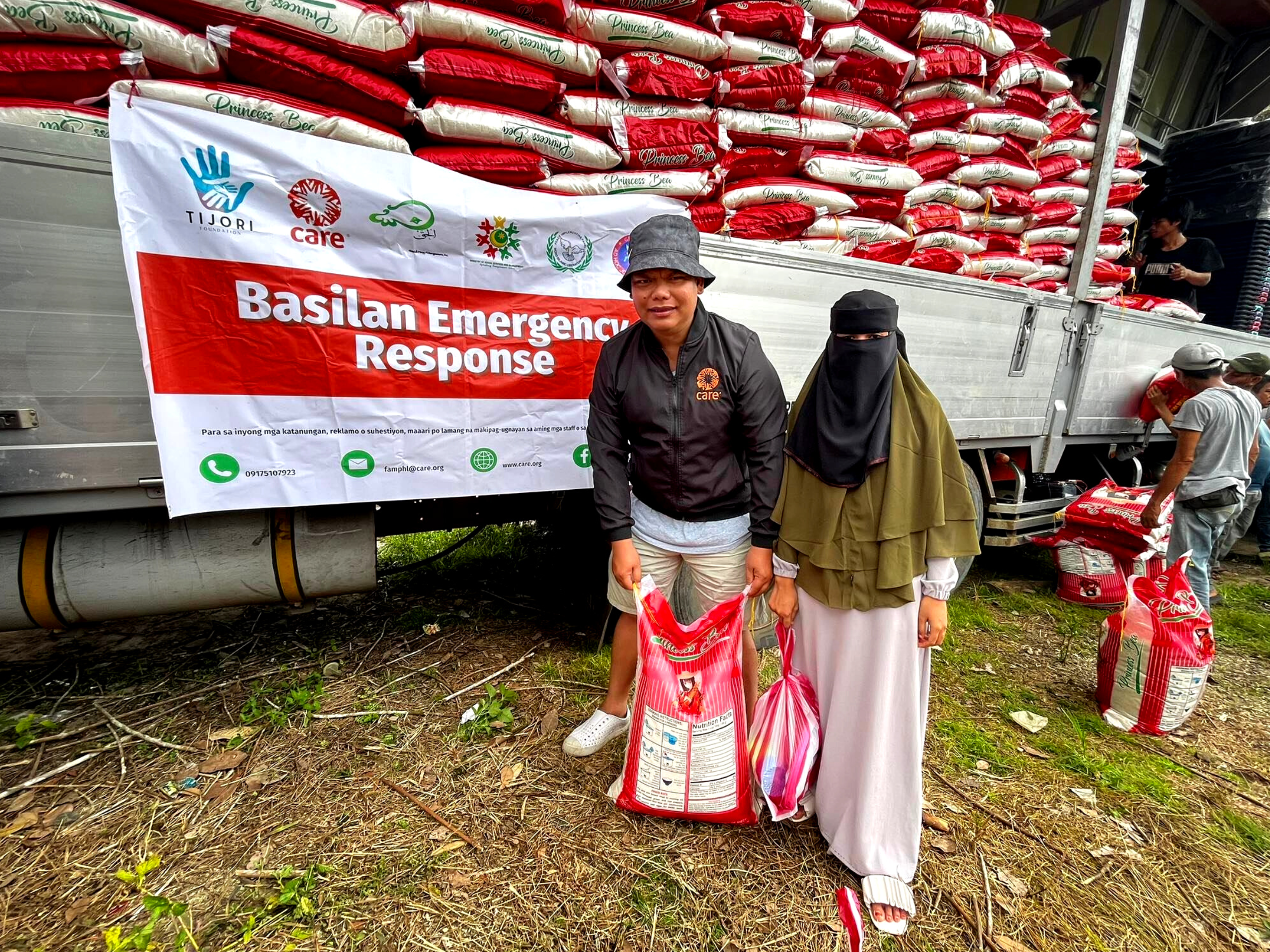
CARE Philippines Emergency Coordinator, Jerome Lanit hands over food items to a woman head of a household that was affected by the armed clashes in Ungkaya Pukan town in Basilan. (J. Dulla/CARE Philippines)

Five hundred eighty (580) households that were affected by the series of armed clashes in Brgy. Ulitan, Ungkaya Pukan, Basilan received essential food, non-food items, and shelter kits on February 4 and 5.

Members of these households were forced to leave their homes when combatants of the Moro Islamic Liberation Front (MILF) and the Philippine military clashed in November last year. When the conflict subsided, they returned only to find that some of their houses, including the mosque, madrasah, and an essential government building, were damaged from the fighting.
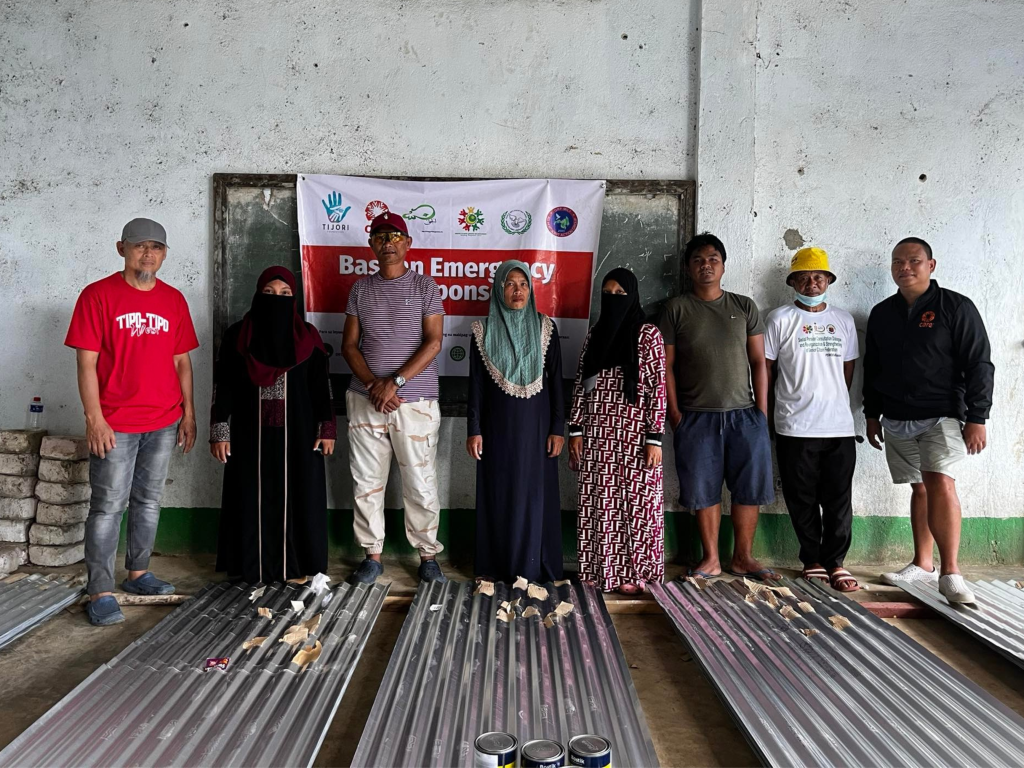
Some of the members of 120 households whose houses were damaged due to the fighting received shelter repair kits. (J. Dulla/CARE Philippines)

CARE and its partner, NISA Ul Haqq fi Bangsamoro, Inc., with the facilitation of the GPH-MILF Coordinating Committee on the Cessation of Hostilities (CCCH) and the Ad Hoc Joint Action Group (AHJAG) and with the support of the BARMM Ministry of Social Services and Development were able to access the community to deliver life-saving assistance to the affected vulnerable households.

“As humanitarians, it is important that we address first the needs of the members of vulnerable communities who still feel insecure because of the uncertainty of the situation while the peace mechanisms are working for a sustained solution to the conflict,” said Jerome Lanit, CARE’s Emergency Coordinator.

Meanwhile, Shalom Tillah Allian of NISA Ul Haqq fi Bangsamoro, Inc. shared that the collaboration with the BARMM MSSD, MILF CCCH and AHJAG showed that humanitarian and peace building efforts work meaningfully when working together on an equal footing.

“More than just the goods shared to them, to us what is more powerful is to see the mujahideens and the mujahidat owning the initiative as they led the distribution. We cannot overemphasize the importance of cultivating solidarity with the peace process mechanisms afforded to us”, she added.
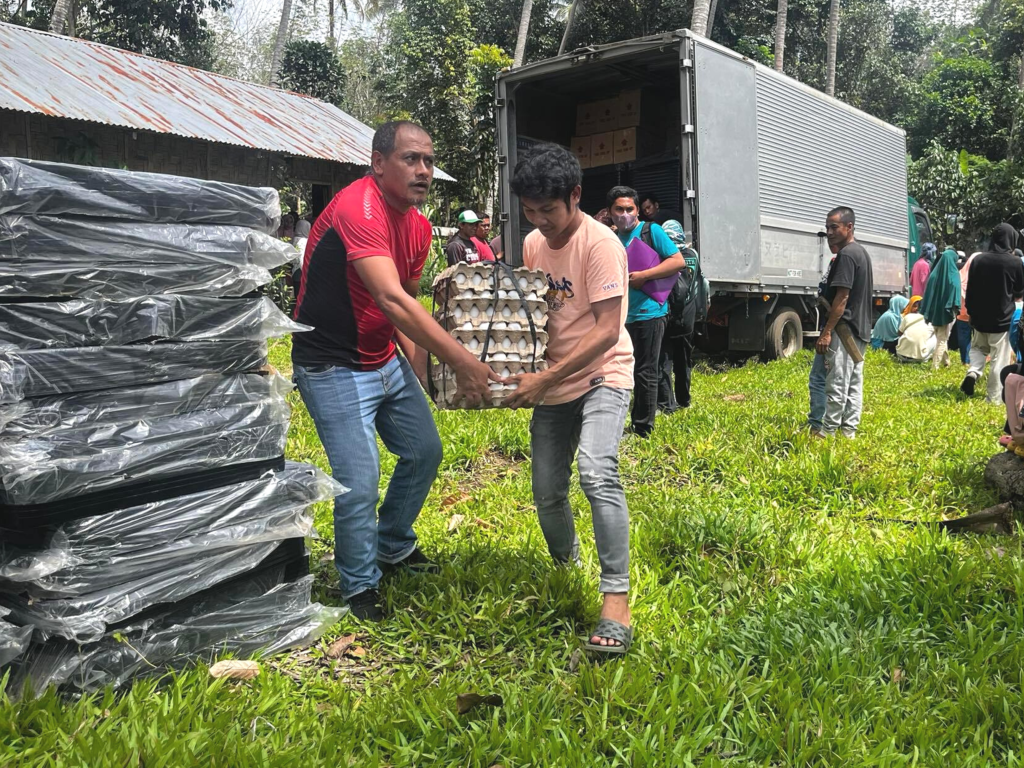
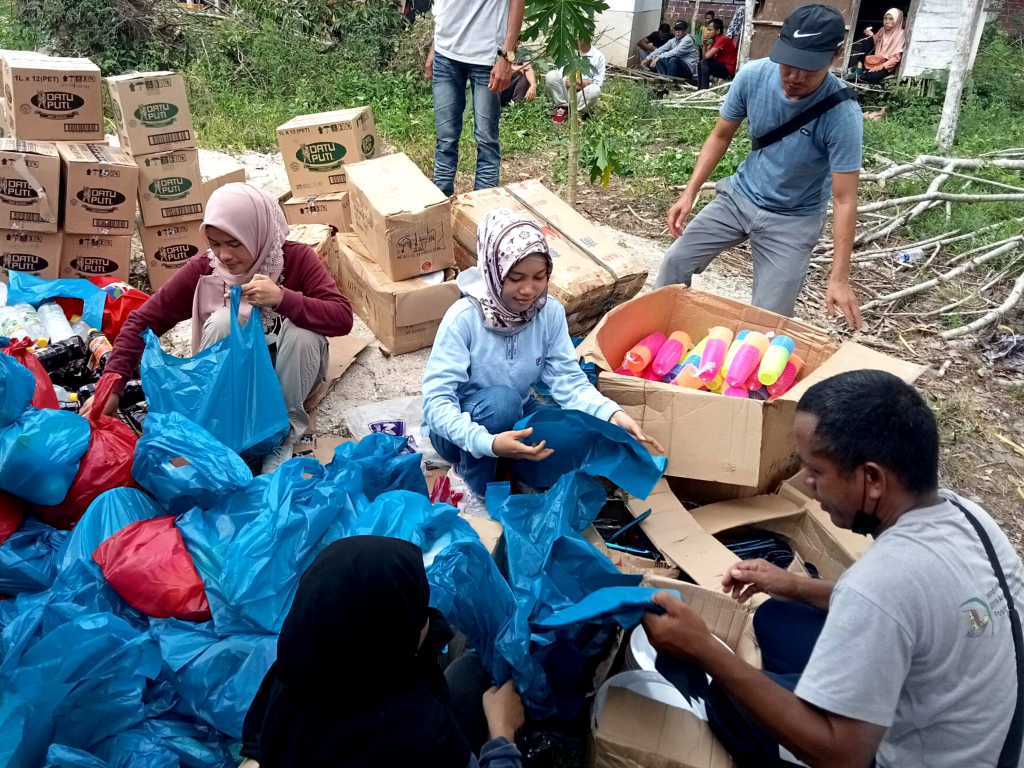
Photos: Members of the community helped in the repacking and distribution of the relief goods to the affected households. (J. Dulla, S. Allian)

The Basilan Emergency Response is supported by the Tijori Foundation and is being implemented by CARE Philippines and its partner, NISA Ul Haqq fi Bangsamoro, Inc., in collaboration with the BARMM Ministry of Social Services and Development, GPH-MILF Coordinating Committee on the Cessation of Hostilities (CCCH) and the Ad Hoc Joint Action Group (AHJAG).
Cargill PH partners with CARE Philippines to increase Covid vaccination rates in the country

  • CARE Philippines
  • Blog, Disaster Response, Featured Stories, Latest News & Stories, Press Release

Collaborating with 30 barangay local units to create vaccine awareness for ~260,000 people

Manila, Philippines (January 19, 2022)— Cargill and CARE Philippines, have collaborated with non-government organizations and business partners, to boost the vaccination rates in select areas of Bulacan Province, Batangas and South Cotabato by the end of 2021 through the COVID-19 Risk Communication and Community Engagement (RCCE) and Vaccination Roll-Out project. This vaccine advocacy project is expected to reach about 260,000 people.

More than a year after the Philippines launched its efforts for mass vaccination against COVID-19, there is still much work to be done to achieve population protection. The National Task Force against COVID-19 released statistics showcasing a slowed down rate of administering shots last October with only 375,773 compared to 523,018 of August 2021.

A possible reason could still be the existing hesitancies from Filipinos about vaccination, with only 61% of the population being willing to be vaccinated based from a survey released by the Octa Research group last October 22.

The Social Weather Stations conducted a survey to find out what the possible reasons are why Filipinos are unwilling despite being offered a free vaccination. The fear of possible side effects ranks as number one in the list followed by old age, being diagnosed with comorbidities and belief in reports of fatality.

“In Cargill, putting people first has always been a part of our values. And this value of caring for people goes beyond our employees and extends to those in the communities where  we live and work. Through the RCCE and Vaccination Roll-Out Project,  we aim to tip the scale in favor of population protection from COVID, thus allowing ourselves and our communities to bounce back from this pandemic,” said Christopher Ilagan, Cargill Philippines’ Corporate Affairs Director.

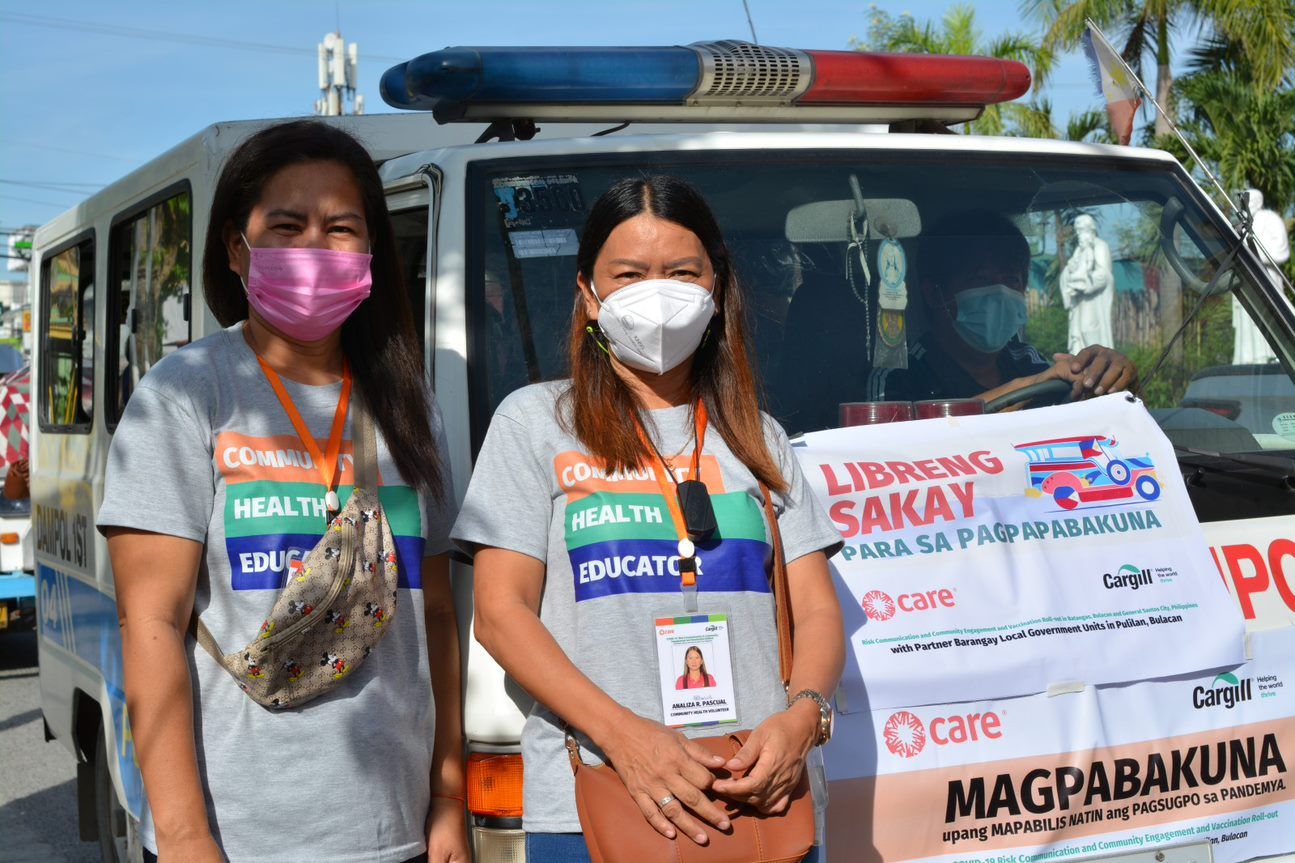
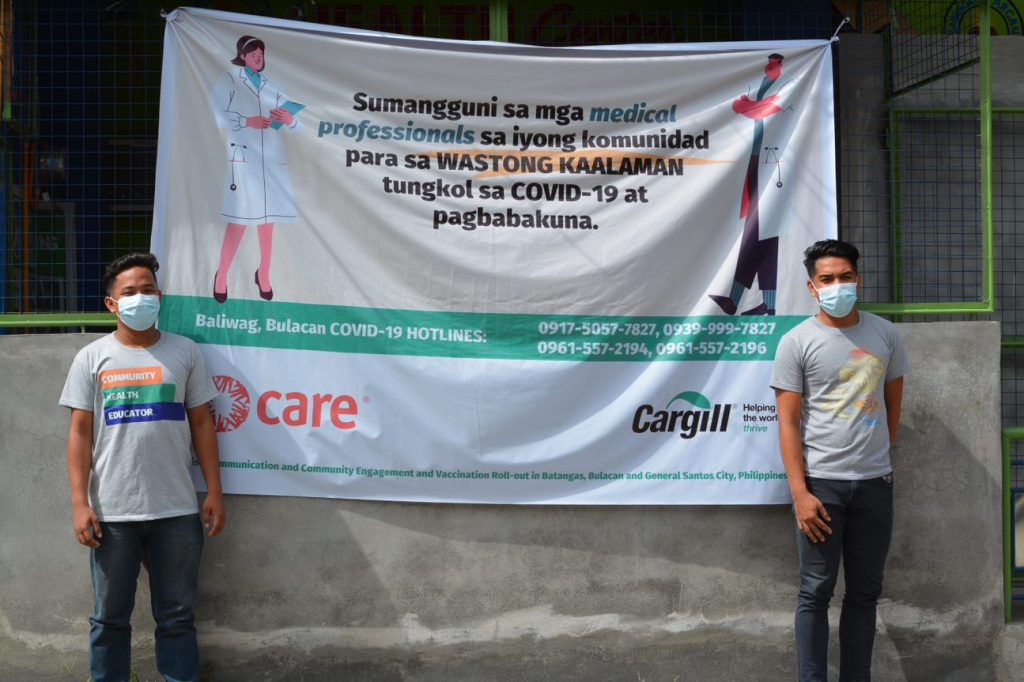
The RCCE and Vaccination Roll-Out Project, which is being implemented in Malolos City, Baliwag and Pulilan in Bulacan Province, Sto. Tomas City in Batangas, and General Santos City in South Cotabato, aims to support 30 barangay local government units (BLGUs) to increase their capacities in implementing COVID-19 policies and help encourage their residents to get vaccinated. More than 2,450 barangay officials, health workers and members of the peacekeeping team have already been trained by medical professionals to further spread information and provide communication about the risks of COVID-19 and vaccination benefits.

Support was also given to BLGUs with low vaccination rates by providing free transportation for vaccination to residents – especially women, PWDs and the elderly – from far-flung areas of the covered locations. Incentives were also given, like rice, food and hygiene kits, to encourage other community members to participate.

In alignment with the proclamation that 30 November – 01 December and 17-19 December 2021 as National Vaccination Days, the RCCE Project in  Batangas and Bulacan provided  free rides to 2,420 individuals from far flung barangays to the vaccination sites, free snacks and sanitary kits and distribution of information, education and campaign materials. The Community Health Educators (CHEs) hired and trained by the project also provided additional health manpower during the vaccination events at the selected barangays. Additionally, about 4,000 community members received rice and hygiene kits incentives from the project. Among these community members whom the project assisted to be vaccinated, more 700 of them confessed that previously, they are hesitant to take the shot but through the community education conducted by the project, they were encouraged to get vaccinated.

Romy M. Pagaduan, the chairperson of Brgy. Ligaya, General Santos City said that the project has made it easier for them to convince their residents to get vaccinated. He shared that his barangay is among those which have low vaccination rates due to people being less-informed, if not misinformed, about COVID-19 and the vaccines. “We now have the right answers to their questions especially those that were drawn from information they got from social media and rumors spread in the barangay”, he said.

The project is led by CARE Philippines and being implemented with Mindanao Coalition of Development NGO Networks (MINCODE) and Sarangani Province Empowerment for Community Transformation Forum (Spectrum) in General Santos City, Southern Tagalog People’s Resource Center (STPRC) in Batangas and CARE Philippines in Bulacan with participation from Cargill employees across all these areas. 

  • 1
  • 2
Join the fight.
Sign up for our mailing list.