CARE Philippines Capacity Statement 2019
In fiscal year 2019 CARE Philippines has reached 135,983 people directly and 2.06 million indirectly through 19 projects.
In fiscal year 2019 CARE Philippines has reached 135,983 people directly and 2.06 million indirectly through 19 projects.
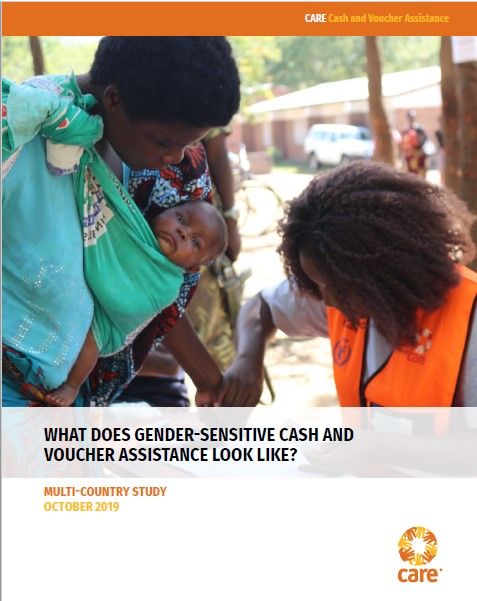
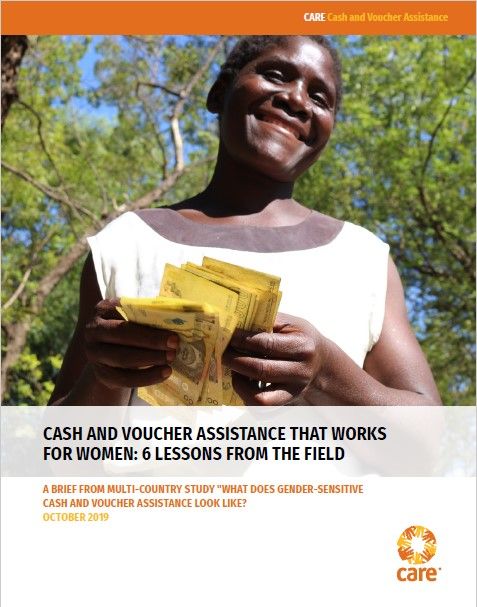
CARE is committed to being “cash ready” to achieve breakthroughs for women and girls in its cash and voucher assistance (CVA) and to convene other stakeholders on the gendered aspects of CVA. Building that commitment, CARE commissioned a study on gender-sensitive CVA from its own project participants.
Building on CARE’s commitment to be ‘cash ready’ to achieve breakthroughs with and for women and girl, CARE commissioned a study on gender-sensitive CVA that allowed actual CVA recipients to frame the discussion.
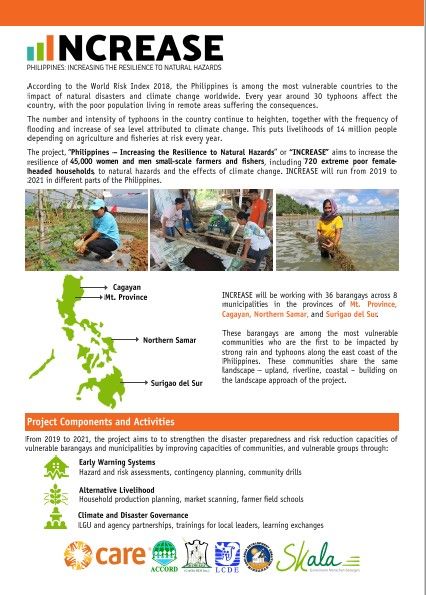
The project, “Philippines – Increasing the Resilience to Natural Hazards” or “INCREASE” aims to increase the resilience of 45,000 women and men small-scale farmers and fishers, including 720 poor female-headed households, to natural hazards and the effects of climate change.
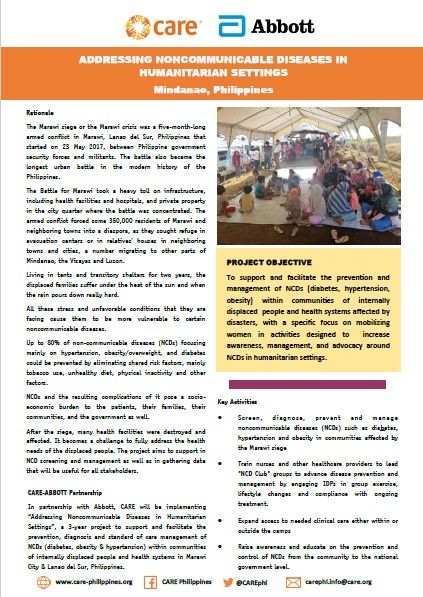
The Battle for Marawi took a heavy toll on infrastructure, including health facilities and hospitals, and private property in the city quarter where the battle was concentrated. This project aims to support and facilitate the prevention of noncommunicable diseases within communities affected by disasters.
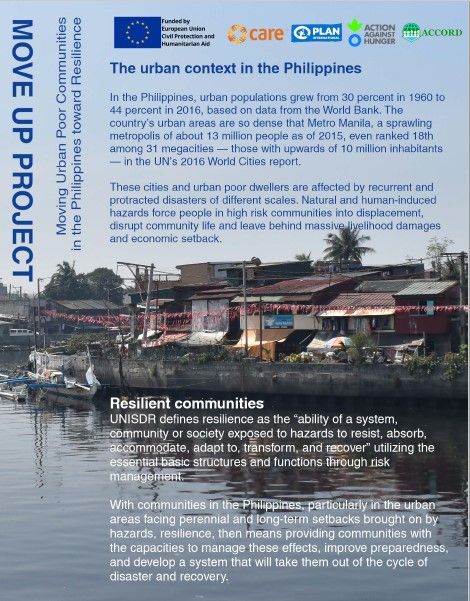
Given the urban context in the Philippines, the goal of this action is to increase preparedness and risk reduction capacities of local populations and government units through replication and scaling up of interrelated urban resilience struggles on alternative temporary shelter and resilient livelihood in hazard-prone, urban poor communities.
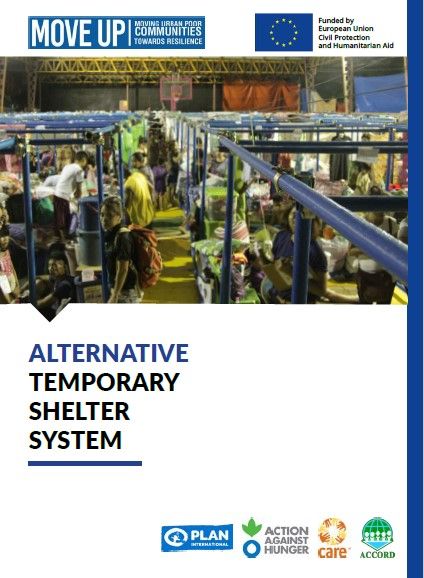
In the Philippines, increasing urbanization has resulted in the lack of appropriate and sufficient shelter. The Alternative Temporary Shelter Systen (ATS) addresses the shelter needs of affected populations in the initial stages of disasters to guarantee human dignity and sustain family and community life.
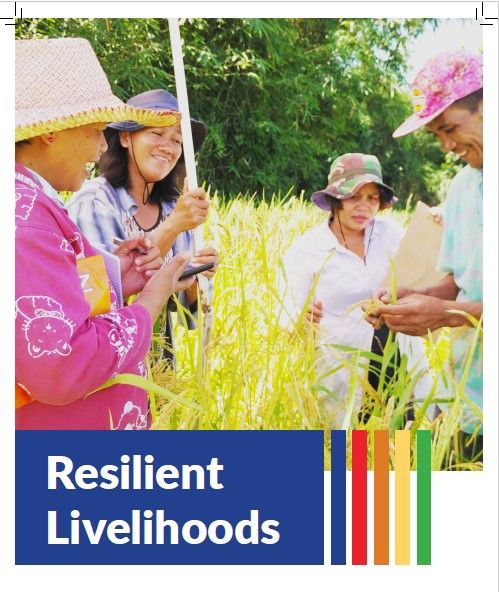
Resilient livelihoods as a practice has evolved through various humanitarian actions in response to typhoons Bopha and Haiyan, with theoretical and practical contribution from other humanitarian and disaster risk reduction, climate change adaptation, and ecosystem management and restoration (also referred to as integrated risk management) projects.
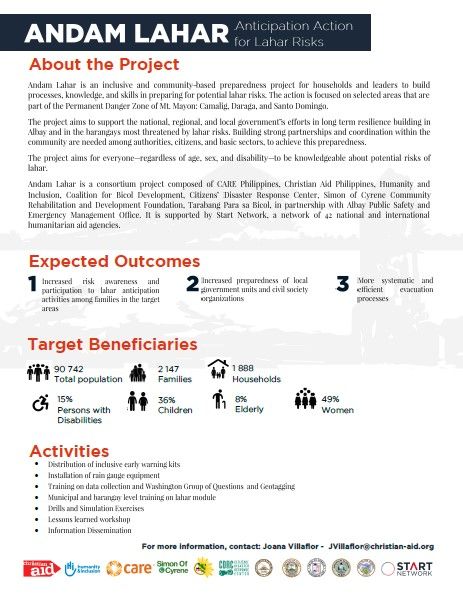
Andam Lahar is an inclusive and community-based preparedness project for households and leaders to build processes, knowledge, and skills in preparing for potential lahar risks.
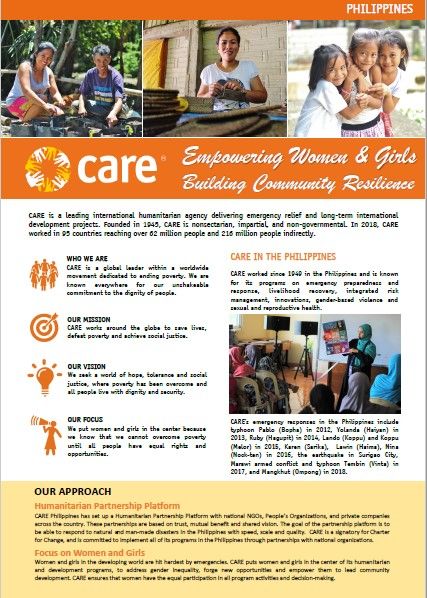
CARE is a leading international humanitarian agency delivering emergency relief and long-term international development projects. Founded in 1945, CARE is nonsectarian, impartial, and non-governmental. In 2018, CARE worked in 95 countries reaching over 62 million people and 216 million people indirectly.
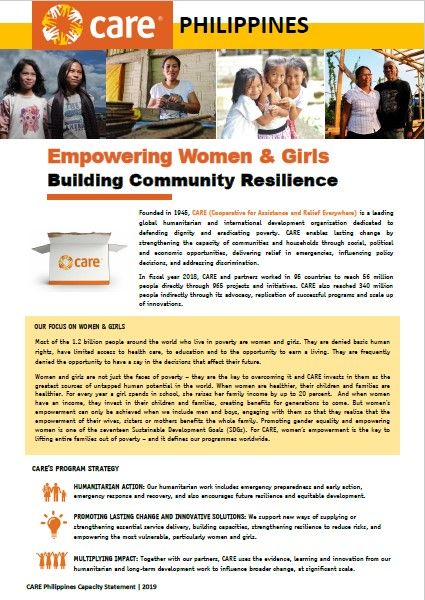
Founded in 1945, CARE (Cooperative for Assistance and Relief Everywhere) is a leading global humanitarian and international development organization dedicated to defending dignity and eradicating poverty. CARE enables lasting change by strengthening the capacity of communities and households through social, political and economic opportunities, delivering relief in emergencies, influencing policy decisions, and addressing discrimination. For 75 years, CARE has led the way to a better life for the world’s most vulnerable people across 100 countries and 70 million people, each year.